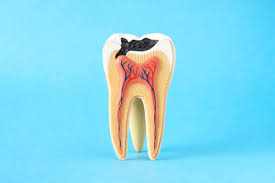
Tooth decay is one of the most common dental problems, yet it often develops silently. At George Street Dental Surgery, we believe that early detection is the key to protecting your smile. Recognising the early signs of tooth decay and seeking prompt care from a trusted dentist in Sydney can prevent minor issues from turning into painful and costly treatments.
Understanding what to look out for can help you take action before the damage becomes severe.
What Is Tooth Decay?
Tooth decay occurs when plaque bacteria produce acids that gradually erode the enamel, the protective outer layer of your teeth. Over time, this damage can lead to cavities, infection, and even tooth loss if left untreated. Regular visits to George Street Dental Surgery for dental check-ups in Sydney play a crucial role in detecting decay at its earliest stage.
Tooth Sensitivity
One of the first warning signs of decay is increased sensitivity to hot, cold, or sweet foods and drinks. If you feel a sharp or lingering discomfort when consuming certain items, it may indicate that enamel has started to weaken. Early cavity treatment in Sydney can address the problem before it progresses deeper into the tooth.
White or Dark Spots on Teeth
Changes in the colour of your enamel can signal early decay. White chalky spots may appear when minerals are being lost from the enamel. As decay progresses, brown or black spots may develop. These visible signs should not be ignored and require assessment by an experienced Sydney dentist.
Persistent Bad Breath
Ongoing bad breath or an unpleasant taste in the mouth may indicate bacterial buildup associated with tooth decay. While occasional bad breath is common, persistent issues could suggest underlying problems that need professional dental care in Sydney.
Mild Toothache or Discomfort
Early decay may cause mild, occasional tooth pain, especially when biting down. Many people dismiss this discomfort, but even minor pain can signal a developing cavity. Seeking prompt tooth decay treatment in Sydney can prevent further damage and relieve symptoms.
Bleeding or Swollen Gums
Although commonly associated with gum disease, inflamed or bleeding gums can also occur when decay develops near the gum line. A comprehensive examination at George Street Dental Surgery ensures accurate diagnosis and appropriate preventive dental care in Sydney.
Why Early Treatment Matters
When detected early, tooth decay can often be treated with simple procedures such as tooth-coloured fillings in Sydney. However, if ignored, decay can spread to the inner pulp of the tooth, requiring more complex treatments like root canal therapy or even extraction.
Regular dental check-ups in Sydney allow our team to identify small cavities before they become major problems. Preventive care saves time, money, and discomfort in the long run.
How to Prevent Tooth Decay
Maintaining good oral hygiene by brushing twice daily with fluoride toothpaste, flossing regularly, limiting sugary foods, and attending routine dental visits are essential steps in preventing decay. At George Street Dental Surgery, we provide personalised advice and professional cleans to support long-term oral health.
Protect Your Smile with Early Intervention
Ignoring the early signs of tooth decay can lead to serious complications. If you notice sensitivity, discolouration, discomfort, or any unusual changes in your teeth, contact George Street Dental Surgery for professional tooth decay treatment in Sydney. Our dedicated team is committed to delivering high-quality and compassionate dental care in Sydney to keep your smile healthy and strong.